A job interview is often the most important step in the hiring process. While a strong resume can help you get noticed, your interview performance usually determines whether you move forward or lose the opportunity to another candidate. For many job seekers, interviews can feel stressful because they never know exactly what questions will be asked.
Fortunately, many employers use similar interview questions to evaluate candidates. These questions are designed to assess your skills, experience, personality, problem-solving abilities, and suitability for the role. By preparing thoughtful answers in advance, you can approach interviews with greater confidence and professionalism.
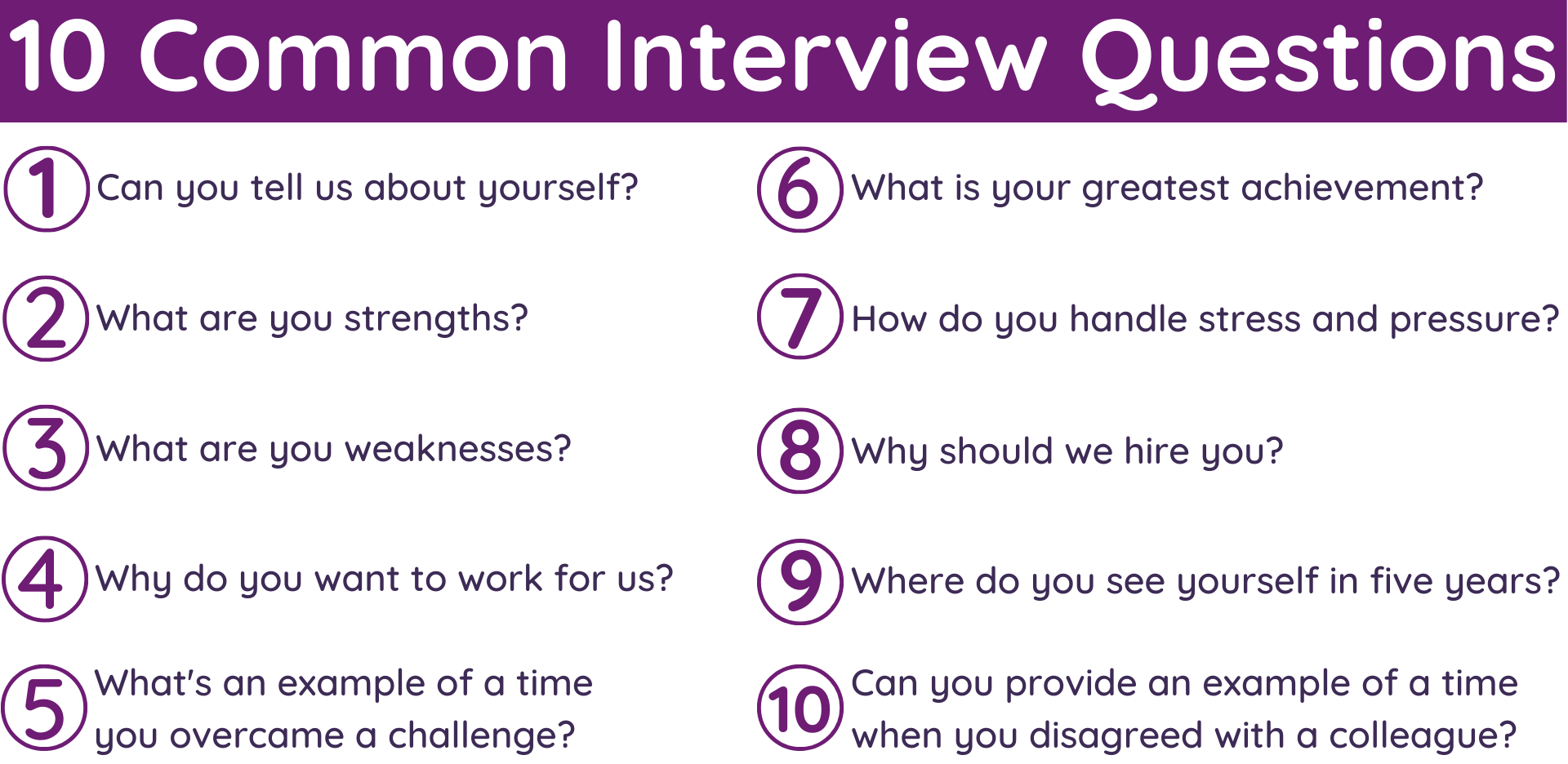
In this guide, we will explore 10 of the most common job interview questions and provide tips on how to answer them effectively.
1. Tell Me About Yourself
This is often the first question asked during an interview. While it may seem simple, many candidates struggle to answer it properly.
What Employers Want to Know
Interviewers want a brief overview of your professional background and how it relates to the position.
How to Answer
Focus on:
- Your current role or recent experience
- Relevant achievements
- Skills that match the position
- Why you are interested in the opportunity
Example
“I have three years of experience in digital marketing, specializing in content creation and social media management. In my current role, I helped increase website traffic by 35% through targeted content strategies. I’m excited about this opportunity because it aligns with my experience and allows me to continue growing in a dynamic environment.”
Keep your response concise and professional.
2. Why Do You Want to Work Here?
Employers want to know whether you have researched the company and genuinely want the position.
How to Answer
Discuss:
- The company’s reputation
- Its mission or values
- Products or services you admire
- Career growth opportunities
Example
“I admire your company’s commitment to innovation and customer satisfaction. I have followed your recent projects and appreciate how your team continuously develops solutions that improve customer experiences. I believe my skills and values align well with your organization.”
Avoid mentioning salary as your primary motivation.
3. What Are Your Strengths?
This question helps employers understand your key skills and how they might benefit the organization.
How to Answer
Choose strengths that are relevant to the job.
Examples include:
- Communication skills
- Leadership
- Problem-solving
- Time management
- Adaptability
Example
“One of my strongest qualities is problem-solving. In my previous position, I identified inefficiencies in our reporting process and developed a streamlined system that reduced preparation time by 25%.”
Support your strengths with real examples whenever possible.
4. What Is Your Greatest Weakness?
Many candidates fear this question, but employers are not looking for perfection.
How to Answer
Choose a genuine weakness that you are actively working to improve.
Example
“I used to struggle with delegating tasks because I preferred handling everything myself. However, I have learned the importance of trust and teamwork, and I now focus on assigning responsibilities effectively while maintaining accountability.”
Avoid claiming you have no weaknesses.
5. Why Should We Hire You?
This question allows you to summarize your value as a candidate.
How to Answer
Highlight:
- Relevant skills
- Experience
- Achievements
- Ability to contribute
Example
“My experience in project management, combined with my ability to lead teams and deliver results under tight deadlines, would allow me to contribute immediately. I have successfully managed multiple projects that improved efficiency and reduced operational costs.”
Focus on what you can offer the employer.
6. Tell Me About a Challenge You Faced at Work
Employers use behavioral questions to evaluate how you handle difficult situations.
How to Answer
Use the STAR method:
- Situation
- Task
- Action
- Result
Example
“Our team experienced a sudden staffing shortage during an important project. I reorganized responsibilities, coordinated priorities, and communicated closely with stakeholders. As a result, we completed the project on schedule and maintained client satisfaction.”
The STAR method provides a clear and structured response.
7. Where Do You See Yourself in Five Years?
This question helps employers assess your career goals and commitment.
How to Answer
Demonstrate ambition while showing interest in growing within the company.
Example
“In five years, I hope to have developed deeper expertise in this field and taken on additional leadership responsibilities. I am eager to contribute to a growing organization where I can continue learning and making a positive impact.”
Avoid unrealistic or overly vague answers.
8. Why Did You Leave Your Last Job?
Employers want to understand your reasons for changing positions.
How to Answer
Remain professional and positive, even if your previous experience was challenging.
Example
“I enjoyed my previous role and learned a great deal, but I am looking for new challenges and opportunities for professional growth that align more closely with my long-term career goals.”
Never criticize former employers or coworkers.
9. How Do You Handle Pressure or Stress?
Most jobs involve deadlines, responsibilities, and occasional challenges.
How to Answer
Explain your approach to managing pressure effectively.
Example
“I handle pressure by staying organized, prioritizing tasks, and maintaining clear communication. When facing tight deadlines, I break projects into manageable steps and focus on completing high-priority tasks first.”
Employers value candidates who remain productive under pressure.
10. Do You Have Any Questions for Us?
This question is usually asked at the end of the interview.
Many candidates mistakenly answer “No.”
Why It Matters
Asking thoughtful questions demonstrates:
- Interest in the role
- Preparation
- Professionalism
Good Questions to Ask
- What does success look like in this position?
- What are the team’s current priorities?
- What opportunities are available for professional development?
- What are the next steps in the hiring process?
Avoid asking questions that can easily be answered by reviewing the company’s website.
Additional Interview Tips
Research the Company
Before your interview, learn about:
- Company history
- Products and services
- Mission and values
- Recent news and achievements
Knowledge of the organization shows genuine interest.
Practice Your Responses
Conduct mock interviews with friends, family members, or mentors.
Practicing helps improve confidence and communication skills.
Dress Professionally
Even for virtual interviews, professional attire creates a positive first impression.
Choose clothing appropriate for the company culture and industry.
Arrive Early
Whether in person or online, punctuality demonstrates reliability and professionalism.
Aim to arrive or log in at least 10 minutes before the scheduled time.
Maintain Positive Body Language
Good body language includes:
- Eye contact
- Smiling naturally
- Sitting upright
- Active listening
Nonverbal communication can significantly influence interview outcomes.
Final Thoughts
Job interviews provide an opportunity to showcase your skills, experience, and personality beyond what appears on your resume. While interviews can feel intimidating, preparation is the key to success.
By understanding the most common interview questions and practicing thoughtful responses, you can present yourself confidently and professionally. Focus on providing clear examples, demonstrating your value, and showing genuine enthusiasm for the role.
Remember that every interview is also a learning experience. The more you prepare and practice, the more comfortable you will become. With the right mindset and preparation, you can significantly increase your chances of making a strong impression and securing the job opportunity you want.