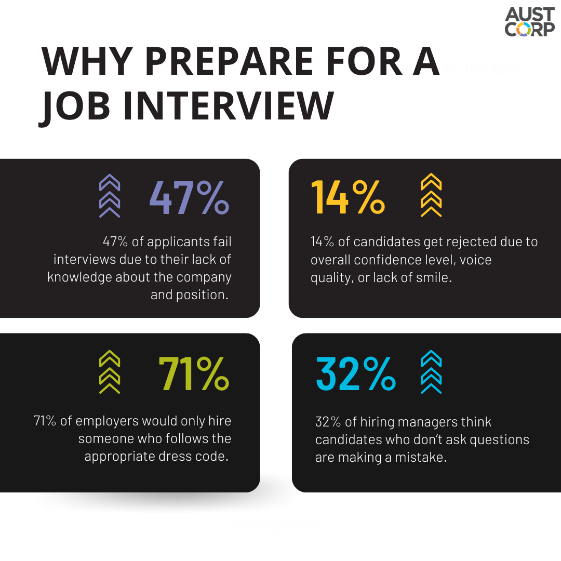
A job interview is one of the most important stages in the hiring process. It is your opportunity to showcase your skills, experience, personality, and professionalism directly to a potential employer. Even candidates with impressive qualifications can struggle during interviews if they fail to prepare properly.
The good news is that interview success is not based solely on talent or experience. Preparation plays a major role in helping candidates answer questions confidently, make a positive impression, and increase their chances of receiving a job offer.
Whether you are applying for your first job, changing careers, or seeking a promotion, this complete step-by-step guide will help you prepare effectively for your next job interview.
Why Interview Preparation Matters
Many job seekers underestimate the importance of interview preparation. They assume their qualifications alone will be enough to secure the position.
However, employers use interviews to evaluate several factors beyond technical skills, including:
- Communication abilities
- Professionalism
- Problem-solving skills
- Confidence
- Cultural fit
- Motivation
- Work ethic
Proper preparation helps you present yourself as a capable and reliable candidate while reducing anxiety and uncertainty.
Step 1: Research the Company
One of the first things you should do is learn as much as possible about the company.
Employers appreciate candidates who demonstrate genuine interest in their organization.
Areas to Research
Focus on:
- Company history
- Mission and values
- Products or services
- Industry position
- Recent news and developments
- Leadership team
- Company culture
This information can help you tailor your responses and ask thoughtful questions during the interview.
Why It Matters
Research allows you to explain why you want to work for the company and how your skills align with its goals.
Candidates who understand the organization often stand out from those who arrive unprepared.
Step 2: Study the Job Description
Carefully review the job posting before the interview.
The job description provides valuable insights into what the employer is seeking.
Pay attention to:
- Required qualifications
- Technical skills
- Responsibilities
- Preferred experience
- Key competencies
Make a list of your experiences that directly relate to these requirements.
This preparation helps you provide relevant examples when answering interview questions.
Step 3: Review Your Resume
Interviewers frequently ask questions based on your resume.
Before the interview, review:
- Previous jobs
- Educational background
- Certifications
- Skills
- Accomplishments
Be prepared to discuss any item listed on your resume in detail.
You should also be able to explain career transitions, employment gaps, and major achievements confidently.
Step 4: Prepare Answers to Common Interview Questions
Although every interview is different, certain questions appear frequently.
Examples include:
- Tell me about yourself.
- Why do you want this job?
- What are your strengths?
- What are your weaknesses?
- Why should we hire you?
- Where do you see yourself in five years?
- Tell me about a challenge you faced.
Use the STAR Method
For behavioral questions, consider using the STAR method:
- Situation
- Task
- Action
- Result
This structure helps you provide organized and compelling responses.
For example, when discussing a workplace challenge, explain the situation, your responsibilities, the actions you took, and the positive outcome achieved.
Step 5: Prepare Questions for the Interviewer
An interview is a two-way conversation.
At the end of the interview, employers often ask:
“Do you have any questions for us?”
Always prepare thoughtful questions.
Examples include:
- What does success look like in this role?
- What are the biggest challenges facing the team?
- How would you describe the company culture?
- What opportunities are available for professional development?
Asking intelligent questions demonstrates enthusiasm and preparation.
Step 6: Practice Your Interview Skills
Practice can significantly improve your confidence.
Conduct Mock Interviews
Ask a friend, mentor, or family member to conduct a practice interview.
This helps you:
- Improve communication
- Refine responses
- Reduce nervousness
- Receive constructive feedback
Record Yourself
Recording your answers can reveal areas for improvement, including:
- Speaking pace
- Clarity
- Body language
- Confidence
The more you practice, the more comfortable you will feel during the actual interview.
Step 7: Prepare Professional Attire
First impressions matter.
Choose clothing that aligns with the company’s culture and industry.
General Guidelines
For corporate environments:
- Business attire
- Professional grooming
- Conservative appearance
For creative industries:
- Professional but slightly more relaxed attire
When in doubt, it is usually better to be slightly overdressed than underdressed.
Clean, neat, and appropriate clothing demonstrates professionalism and respect.
Step 8: Organize Important Documents
Before the interview, gather all necessary materials.
These may include:
- Multiple copies of your resume
- Cover letter
- Portfolio
- Certifications
- References
- Notebook and pen
Being organized helps you appear prepared and professional.
For virtual interviews, ensure digital copies are easily accessible.
Step 9: Prepare for Virtual Interviews
Many employers now conduct interviews online.
If your interview is virtual, test your technology beforehand.
Check:
- Internet connection
- Camera
- Microphone
- Lighting
- Background environment
Choose a quiet location with minimal distractions.
Professional preparation is just as important for virtual interviews as it is for in-person meetings.
Step 10: Plan Your Arrival
For in-person interviews, plan your transportation in advance.
Consider:
- Traffic conditions
- Parking availability
- Public transportation schedules
Aim to arrive 10 to 15 minutes early.
Being punctual demonstrates reliability and professionalism.
For virtual interviews, log in several minutes before the scheduled start time.
Step 11: Focus on Positive Body Language
Nonverbal communication plays an important role during interviews.
Positive body language includes:
- Maintaining eye contact
- Sitting upright
- Smiling naturally
- Offering a firm handshake when appropriate
- Listening attentively
Avoid:
- Crossing your arms
- Fidgeting excessively
- Looking distracted
- Interrupting the interviewer
Strong body language reinforces confidence and professionalism.
Step 12: Manage Interview Anxiety
Feeling nervous before an interview is normal.
Fortunately, preparation helps reduce stress significantly.
Additional strategies include:
- Deep breathing exercises
- Positive visualization
- Adequate sleep
- Healthy meals before the interview
Remember that employers want candidates to succeed. Interviews are opportunities to learn about each other, not just evaluations.
Maintaining a positive mindset can improve your performance.
Step 13: Follow Up After the Interview
Many candidates overlook the importance of follow-up communication.
Within 24 hours of the interview, send a professional thank-you message.
Your message should:
- Express appreciation for the opportunity
- Reinforce your interest in the role
- Mention a key discussion point
- Thank the interviewer for their time
A thoughtful follow-up demonstrates professionalism and leaves a positive impression.
Common Interview Mistakes to Avoid
Avoid these common errors:
Arriving Late
Punctuality is essential.
Speaking Negatively About Previous Employers
Maintain professionalism when discussing past experiences.
Providing Vague Answers
Use specific examples whenever possible.
Failing to Research the Company
Preparation demonstrates genuine interest.
Forgetting to Ask Questions
Thoughtful questions show engagement and curiosity.
Avoiding these mistakes can significantly improve your interview performance.
Final Thoughts
Preparing for a job interview requires time, effort, and attention to detail, but the benefits are well worth it. Thorough preparation helps you communicate effectively, demonstrate your qualifications, and build confidence throughout the interview process.
By researching the company, studying the job description, practicing common interview questions, preparing professional attire, and following up afterward, you can significantly improve your chances of success.
Remember that interviews are not only about proving your abilities—they are also opportunities to determine whether the role and company are the right fit for your career goals. With proper preparation and a positive attitude, you can approach your next interview with confidence and increase your likelihood of receiving a job offer.